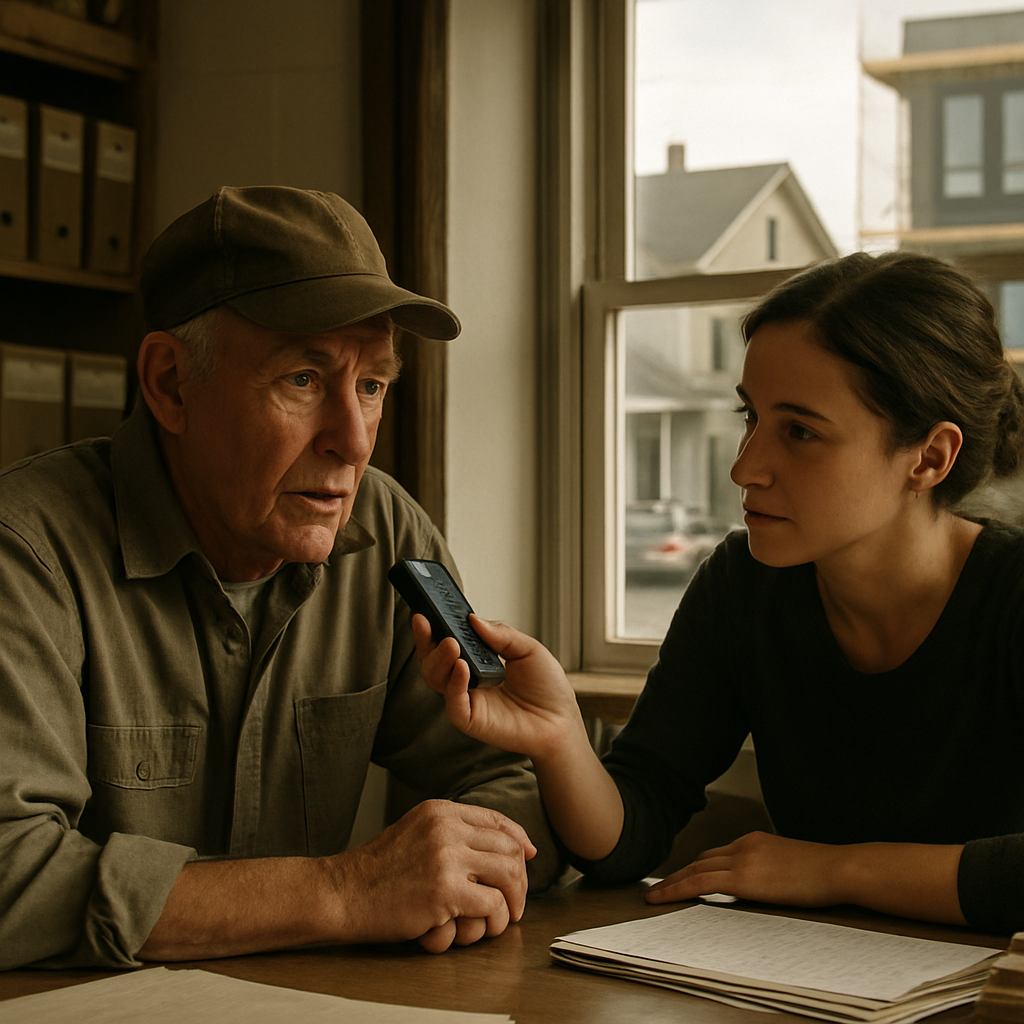
How Oral Histories Reveal the Social Impact of Urban Redevelopment
Introduction Urban redevelopment is often described through visible changes: a cleared site, a new building, a redesigned streetscape. Official accounts tend to focus on investment, housing and projected growth. These measures matter, but they cannot show how change feels to the people who experience it. Oral history helps fill that gap. Conversations with residents, shopkeepers, workers and former tenants preserve details planning documents often miss: where neighbours gathered, how a rent increase changed a household’s choices, or which familiar places disappeared before anyone thought to record them. These accounts do not replace architectural or economic evidence; they show its human consequences. As a form of social research, this approach makes everyday experiences part of the record. The challenge is to listen without treating any one story as the whole truth. Used well, oral history shifts redevelopment from a story told about a neighbourhood to one shaped with the people who…