The Role of Translation in Preserving Indigenous Languages
Introduction
Translation can connect languages. For Indigenous communities, it can also bring knowledge into classrooms, public services and digital spaces while keeping the language in use. When guided by speakers, translation can help indigenous languages reach new generations without separating words from the communities that give them meaning.
But translation raises questions of control: who decides what is translated, what is shared and what is left out? The issue is not whether Indigenous languages should be translated, but whether translation supports a living language or turns it into an artifact for outsiders. Work with indigenous languages must respect the choices of their speakers.
There is no single approach that works for every community. Each language has its own history, speakers and relationship with writing. Decisions that work in one place may not work in another, so language preservation must begin with local authority. This is especially important when projects involve indigenous languages with different dialects, traditions and needs.
People and their roles
The people involved include speakers, elders, translators, teachers, families and institutions. Their interests may align, but they do not have equal power. For indigenous languages, meaningful participation means that speakers help set priorities rather than simply review a finished translation.
Community translators bring more than vocabulary. They understand context, kinship, humour and the cultural weight of words. They can also recognize when a direct equivalent would distort the meaning. Their task is not simply to transfer words, but to make informed choices with the people whose language is at stake. This knowledge is vital to work involving indigenous languages.
Elders and fluent speakers may hold knowledge that younger learners need. Teachers and emerging translators, in turn, can help create materials for everyday use. These roles are not interchangeable. Recording elders without helping new generations speak risks creating an archive with no future audience, including for indigenous languages.
Institutions can support translation, training and access to public services. But they can also limit community control by demanding quick, standardized results or retaining ownership of recordings and texts. Translation studies can help examine these power dynamics, but the community must decide what should be translated, especially when the work concerns indigenous languages.
Key factors
Consent and control come first. Communities need a say in which stories, names and teachings are translated, who can use them and where the results can circulate. Some knowledge is not meant for public distribution; making it accessible to outsiders is not automatically a public good. These safeguards matter for all indigenous languages and the knowledge carried in them.
Accuracy involves more than finding a matching word. Meaning may depend on tone, relationships, place, ceremony or what a speaker chooses not to say. Translators may need to keep an unfamiliar term, explain its context or acknowledge that no exact equivalent exists rather than force a misleading match.
Writing systems bring their own choices. Standard spelling can help people share books and learning materials, but it may be disputed, especially when written forms were imposed from outside or local speech varies. Speakers should be able to discuss these choices and revise them as language use changes. For indigenous languages, spelling decisions should reflect community preferences.
The medium matters, too. A glossary, a children’s story, a public-service notice and a recorded conversation each call for a different approach. Oral languages may rely on rhythm, repetition, gesture and interaction. A page can preserve some of these features, but not the whole experience.
Community translation works best as sustained, paid work, not an occasional volunteer task. Budgets should cover training, review, compensation and updates—not just the first draft. Without adequate time and authority, translators are left to carry difficult linguistic and cultural decisions on their own.
Access is one measure of success. Translation can make healthcare information, legal processes and school materials easier to navigate, but a document is of little use if it is hard to find, poorly formatted or written in a register speakers do not use. Reviewing materials with their intended readers is essential: fluent writing does not guarantee practical clarity.
Technology can extend the reach of translation, but it is no shortcut. Speech recognition and machine translation often struggle with languages that have little digitized material, and a fluent-looking result may still be wrong. Digital tools can support language revitalization when communities guide their development, set rules for data and use them alongside human teaching. This approach can help indigenous languages become more present in digital spaces on their own terms.
Every translation involves choices about cultural heritage: what to explain, what to retain and what to leave open. The goal should not be to package a culture into a convenient summary. It should be to let speakers share what they choose while allowing the language to change and carry new ideas.
Translation should not replace the language it serves. A growing collection of English versions may raise a language’s visibility while leaving it absent from everyday conversation. Strong translation creates more reasons and opportunities to speak indigenous languages themselves, making linguistic diversity a lived practice rather than a slogan.
A practical example
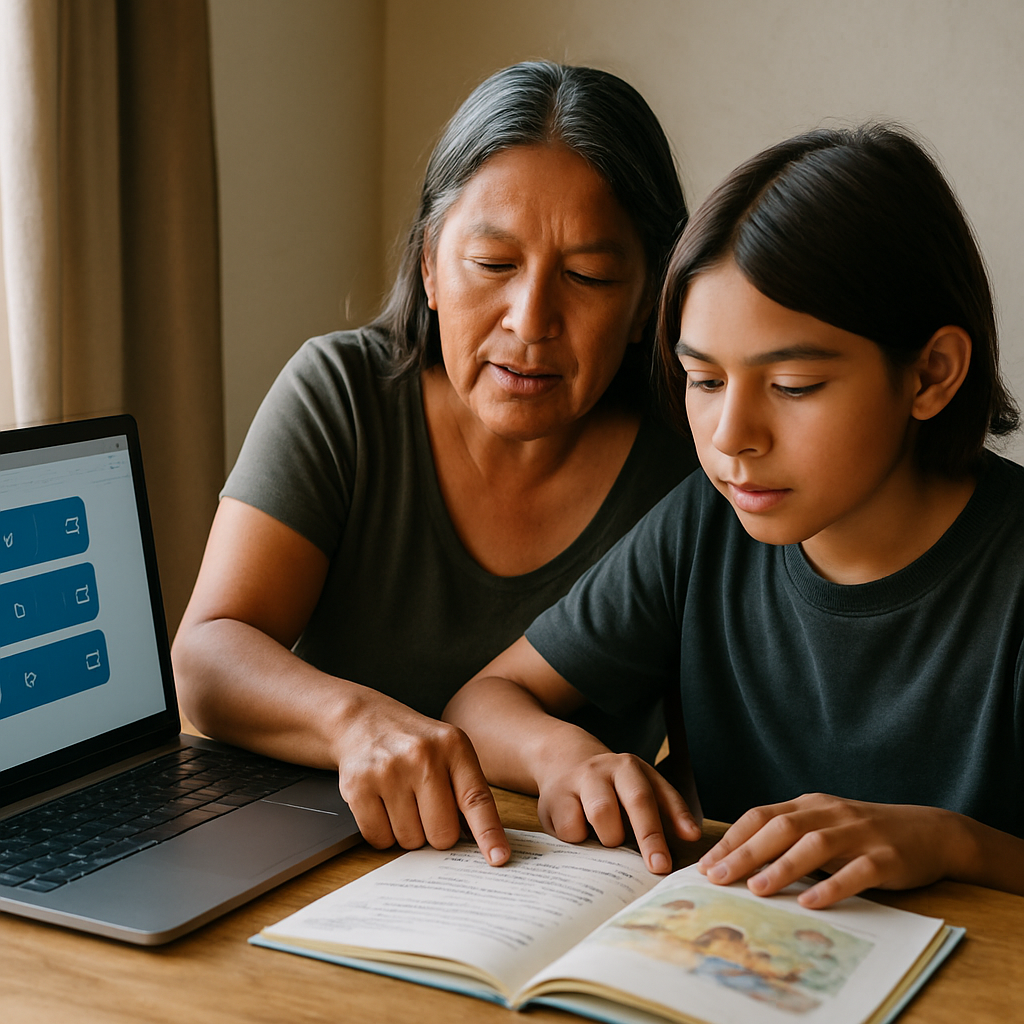
Imagine a community preparing learning materials for children. Some source material exists only in oral form, while other material is already written. The first challenge is not speed. It is agreeing on who can authorize the content, which varieties to represent and how children will encounter the language beyond the page. Such planning can make materials more useful for indigenous languages in daily life.
A weak approach would hand the project to an outside translator, publish a polished version and count the pages. The result might work as a reference, but it could miss local meanings, leave speakers with little control and do little to turn reading into conversation.
A stronger approach would involve speakers, translators and teachers in repeated review. They could test words aloud, record explanations where appropriate, revise spelling choices and create activities that encourage children to speak with family members. If a phrase is difficult to translate, the materials can preserve that difficulty rather than hide it.
Success is not a tidy final score. Better signs include whether speakers trust the process, children use the materials, translators receive support and the language gains a place in daily life. Publication is one milestone; continued use matters more.
Conclusion
Translation can extend the reach of Indigenous languages, but reach alone does not revive them. Its value depends on who directs the work, how carefully meaning is handled and whether translated materials help speakers teach, learn and use their language on their own terms. With community leadership, indigenous languages can remain active across generations and settings.
Translation cannot preserve a language by freezing it on the page. It can support the conditions that allow people to keep speaking, creating and passing it on. That is the difference between making a language visible and helping it stay alive.