Introduction
Literary scholarship has always relied on its tools: manuscripts, editions, catalogues and the patient work of reading. Digital humanities adds computation to this mix, helping scholars ask questions about English literature that are hard to pursue one book or author at a time. In this way, digital humanities extends familiar scholarly practices rather than replacing them.
The shift is not from interpretation to machinery. It is from treating a handful of examples as the whole field to testing patterns across larger collections, then returning to individual passages to understand what those patterns mean. Digital humanities makes this movement between scale and detail easier to pursue.
This changes the scale of the argument, not the need for one. A chart can show a recurring word, and a network can map relationships, but neither can explain on its own why a writer made a choice or how a reader might experience it. That distinction remains central to digital humanities.
Analysis of texts and approaches
Close reading and computational analysis offer different kinds of evidence. Close reading reveals details such as syntax, metaphor, rhythm and ambiguity in a specific passage. Computational methods compare features across hundreds or thousands of texts, identifying patterns a scholar might not spot unaided. Digital humanities brings these approaches together to support questions at multiple scales.
Stylometry, for example, measures features such as word frequency and sentence length to compare texts and investigate authorship. Topic modelling can suggest clusters of words that recur across a corpus, while network analysis can map connections among characters, writers, publishers or correspondents. Such research tools are common in digital humanities, but their value depends on the questions researchers ask.
These results are not verdicts. A model may group terms because they often appear together without identifying a coherent theme. A stylistic resemblance can raise an authorship question, but it cannot settle it. The strongest research treats such findings as leads to examine, not answers to publish. This cautious approach helps keep digital humanities grounded in evidence.
The same partnership applies to literary text analysis. A researcher might use a corpus to locate a term across a writer’s career, then read those passages closely to trace changes in meaning and context. Scale helps identify where to look; interpretation determines what the evidence can support. This process shows how digital humanities can complement established methods of studying English literature.
Key factors
First comes the archive. Digitised collections are never neutral or complete: they reflect what institutions preserved, what projects selected and what could be scanned. A study can reveal a genuine pattern while still omitting works that were unpublished, poorly preserved, written in other languages or excluded from major collections. Digital humanities researchers therefore need to make the scope of an archive clear.
Second is the quality of the data. Optical character recognition can misread typefaces, damaged pages or layouts, turning printed words into errors that distort searches and counts. Metadata may also be inconsistent, especially when dates, editions or authorship are disputed. Sound research documents these problems rather than presenting a clean dataset as an untouched record of literary history.
Third is the choice of method. Counting pronouns, mapping publication locations and modelling word clusters each make different features visible. Researchers need to explain why a method fits the question, what it leaves out and whether the results change when the corpus or settings change. This transparency strengthens digital humanities scholarship.
Research tools do not remove the need for judgement. They can make an argument easier to test and a process easier to reproduce, but their outputs depend on how they are designed and on the materials they use. A model configured to detect one feature may miss another entirely.
Finally, there is the reader. Humanities scholarship depends on interpretation, historical knowledge and attention to form; these are essential to making sense of computational results. Digital humanities is most persuasive when its evidence can be inspected and readers can follow the path from data to claim.
Match scenario
The match is between a research question and an archive, not between people and machines. Imagine a scholar investigating how the language of feeling changes across a group of nineteenth-century novels. A searchable corpus can locate recurring terms and show when their frequency rises or falls. Digital humanities offers a way to explore that evidence across the collection.
That initial result does not decide the outcome. The scholar checks for scanning errors, confirms that the editions are comparable and asks whether changes in the counts reflect the novels themselves or differences in what has survived and been digitised.
Then comes a return to the page. Close reading may show that the same word has different meanings in different scenes, or that a character’s language differs sharply from the narrator’s. A numerical trend can look decisive until context reveals that it is driven by a single work, a period convention or an editorial choice.
The final argument should account for both kinds of evidence. Computation identifies a pattern across the collection; reading explains its significance, qualifies its reach and may expose a flaw in the original question. The result is not a winner but a more precise account of what the texts allow us to say. This combination captures the collaborative spirit of digital humanities.
Conclusion
Digital humanities is changing the study of English literature by widening the scope of inquiry and making some scholarly claims easier to examine. It can reveal overlooked connections, test assumptions based on a small group of familiar works and help researchers organise complex evidence.
Its limits matter too. Uneven archives, imperfect digitisation and choices built into analytical models mean that numbers require historical and textual scrutiny. Without it, apparent precision can conceal gaps in the evidence.
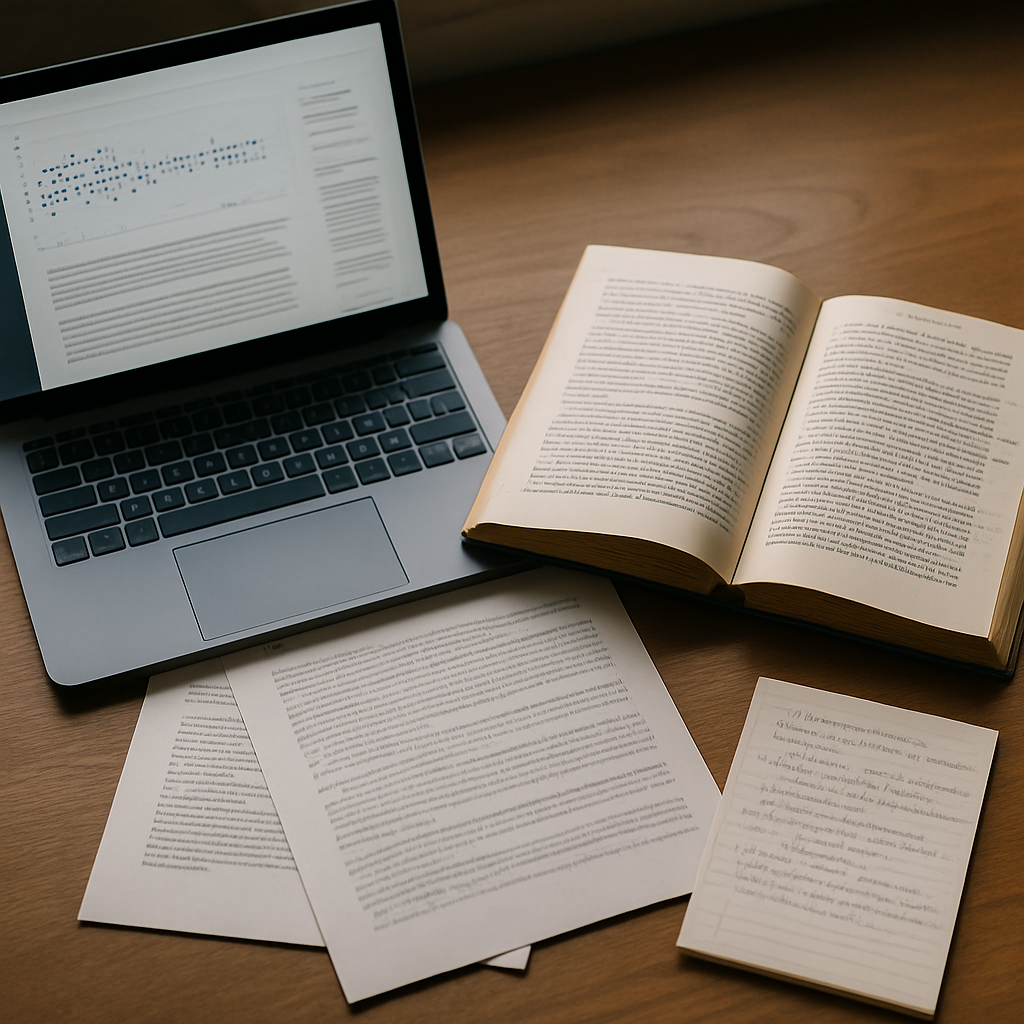
The future is not a choice between algorithms and interpretation. It lies in using computation to sharpen questions, close reading to recover complexity and transparent reasoning to connect the two. The page remains essential; scholars can now see more of the field before returning to it.