Have Promotional Terms Changed? Compare Conditions Before Reusing an Offer
Introduction
A promotion may look the same while its practical value changes. The name, banner and general promise might remain, but eligibility, qualifying actions, deadlines or withdrawal rules can shift. If you’re considering an offer you’ve used before, don’t rely on memory. Check the current terms.
This matters especially in sport, where promotions often appear alongside a live fixture or a time-limited event. The sporting context can create urgency, but the terms determine what you actually need to do. The question is not whether the offer sounds appealing, but whether its current conditions match the version you remember.
Analysis: Focus on the offer, not the event
There are no specific teams, players or fixtures to assess here. It’s more useful to compare the offers themselves. Imagine two versions with the same promotional name. The earlier version accepts a wide range of qualifying activity; the newer one limits eligible markets, sets a higher minimum contribution or is available only to selected users. The headline may be unchanged, even though the requirements are not.
First, establish which version applies. Terms can be updated, replaced or displayed differently on a website, in an app, in an email or on an account page. A saved screenshot shows what was available at a particular time, but it doesn’t prove those terms still apply. The current wording for that specific offer is what matters.
Then compare the conditions in order. Start with eligibility: who can take part, whether previous use matters, and whether access depends on account status, location or other criteria. Next, check the qualifying action. The promotion may require a particular selection, a minimum amount, a price threshold or completion within a set period. Any of these details can determine whether the offer is available to you.
Finally, distinguish the advertised benefit from the rules that govern it. A credit, reward or boosted return may have a cap, limited uses or an expiry date. It may also be non-withdrawable until further conditions are met. Don’t compare only the amount displayed; consider what you can realistically receive under the current terms.
Key factors
Eligibility is the first hurdle. Past participation doesn’t guarantee continued access. Terms may distinguish between new and existing accounts, exclude people who have claimed a similar offer or restrict access to invited users. If eligibility is unclear, don’t assume the offer is available just because you can view its page.
Qualifying actions determine what you need to do. Check what’s required before the promotion is activated and what must happen afterward. Opting in, choosing a particular market or completing an action before an event starts can make a difference. A promotion that applies automatically has different requirements. Even small procedural changes can affect whether you qualify.
Deadlines affect your options. Check the cut-off times for opting in, completing the qualifying action and using any resulting benefit. A deadline may follow a local time zone or be tied to an event’s start. Read phrases such as “within a specified period” carefully. The time window may have shortened even if the headline and reward amount are unchanged.
Limits shape the offer’s real value. Minimum and maximum amounts, qualifying prices, contribution rules and caps can all affect the outcome. So can restrictions on eligible events or markets. A higher advertised reward isn’t necessarily better if the revised terms make it harder to qualify or limit how you can use it.
Check settlement and withdrawal rules, too. Some promotions distinguish between credited funds and cash available to withdraw, or add conditions before you can use a benefit. Check what happens if an event is postponed, abandoned or settled in an unusual way. These details are easy to miss when you’re focused on the initial offer, but they can determine what happens afterward.
Read the full terms rather than relying on a summary. A banner is designed to explain an offer quickly, not to list every condition. Compare the old and current versions side by side, note the changes in plain language, and separate actual amendments from differences in layout or wording.
Match scenario
Imagine a match-day promotion you remember from an earlier fixture. The old version required you to opt in and complete a qualifying action before the event began. The current version has the same headline and reward, but adds a minimum price, limits eligibility to selected accounts and gives any resulting credit a shorter expiry period. Only the current terms can tell you what applies now.
In this scenario, the event itself is a distraction. Check whether your account qualifies, whether your intended action meets the new threshold, whether your opt-in has been recorded and whether you can use the benefit before it expires. If you’re unsure about any of these points, your memory of the old offer can’t fill the gap.
The comparison can also work in the other direction. A revised offer may remove a restriction, extend a deadline or allow a wider range of qualifying activity. That may make it easier to use, but check the written conditions rather than assuming every change is favourable. What matters is the effect on eligibility, effort and usable value.
Conclusion
Promotional terms can change even when the headline stays the same. Eligibility, qualifying actions, deadlines, caps and withdrawal rules can all affect what an offer requires and delivers. Treat each reuse as a fresh comparison, not a repeat of a past experience.
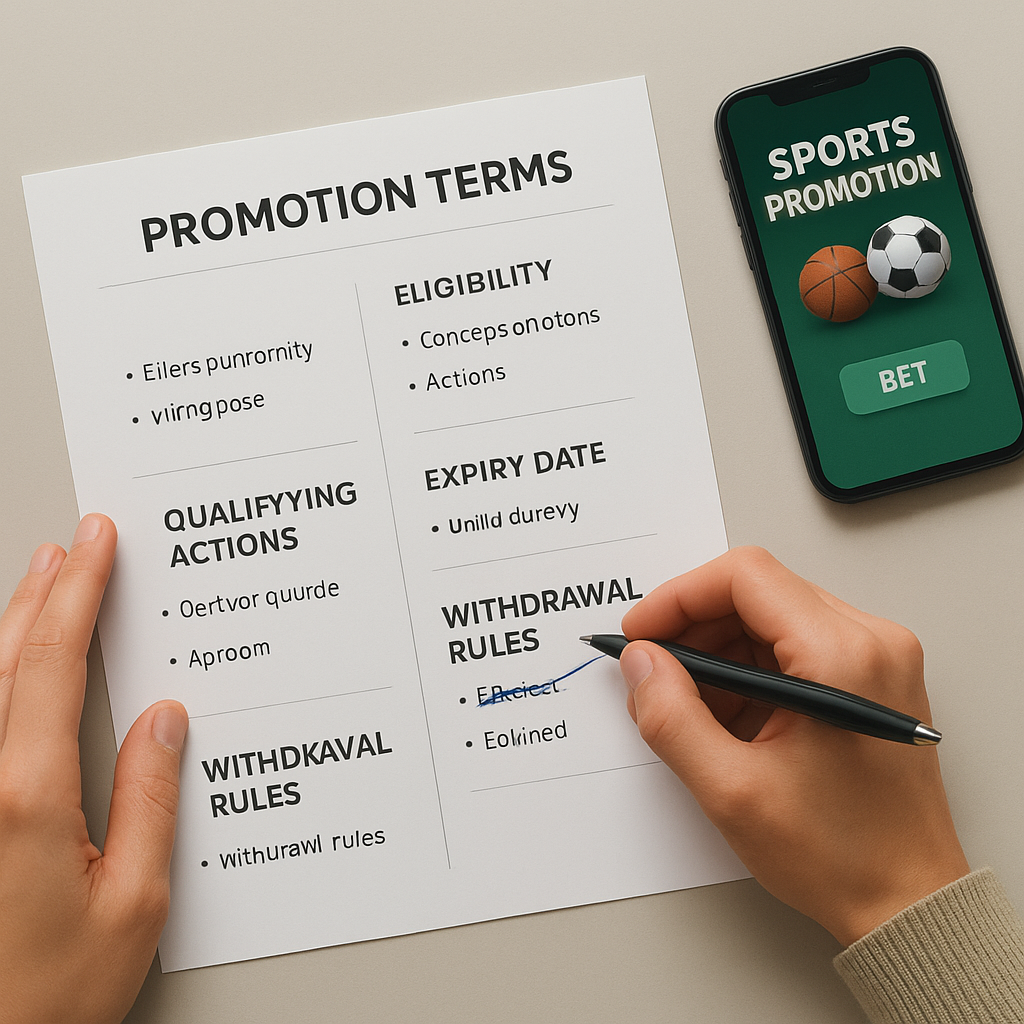
This is especially useful for sports audiences when an offer appears alongside a fixture and a short decision window. Separate the event from the promotion, read the current terms in full and identify any changes before deciding. An offer’s value depends not on how familiar it looks, but on what its terms require today.